Slow news/concern in information flow due to energy crisis
Imdadul Haque : Paikgachha (Khulna).
/ ২২৫
Time View
Update :
সোমবার, ৬ এপ্রিল, ২০২৬
Share
Slow news/concern in information flow due to energy crisis
The ongoing acute fuel crisis in Khulna's Paikgachha has directly hit field-level journalism. Important tasks like gathering information, reaching the scene quickly, and preparing investigative reports are now being severely disrupted. As a result, not only journalists but also the general public are being deprived of their right to timely and accurate information. It has been observed on the spot that the only petrol pump in the upazila remains closed for most of the day. Even when fuel is supplied, it is only for a limited time. As a result, motorcycle-based journalists often return empty-handed after standing in line for...
৪১
The ongoing acute fuel crisis in Khulna’s Paikgachha has directly hit field-level journalism. Important tasks like gathering information, reaching the scene quickly, and preparing investigative reports are now being severely disrupted. As a result, not only journalists but also the general public are being deprived of their right to timely and accurate information.
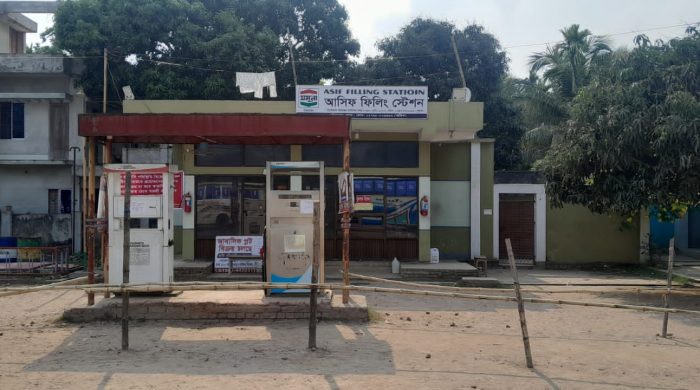
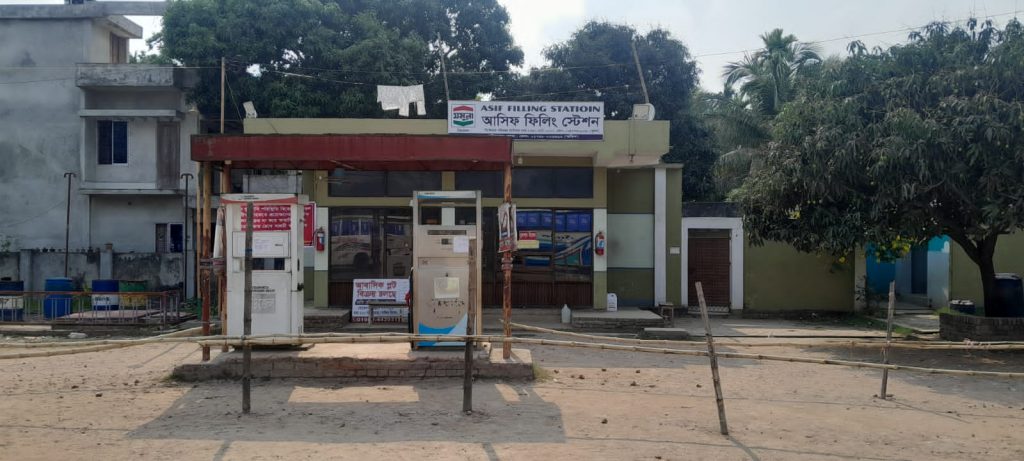
It has been observed on the spot that the only petrol pump in the upazila remains closed for most of the day. Even when fuel is supplied, it is only for a limited time. As a result, motorcycle-based journalists often return empty-handed after standing in line for hours. Some are forced to return after waiting for 2 to 3 hours without getting fuel.
In this situation, news gathering in remote rural areas has practically come to a standstill. Especially in cases of accidents, fires, violence or urgent humanitarian incidents, it is not possible to quickly gather news. As a result, many important events do not reach the media on time, which creates a huge gap in the flow of information.
On the other hand, journalists are facing up to three times the cost of renting alternative vehicles. This has become a major burden for many journalists with limited incomes, forcing many to refrain from covering important news due to financial constraints.
Paikgachha Press Club President Advocate FMA Razzak said, “Journalism is an emergency service. It is our responsibility to quickly collect and disseminate news of any incident. But it is not possible to fulfill that responsibility if we stand in the oil line for hours. In reality, the collection of many important information is being hampered because there is no priority for journalists.” He strongly demanded a separate quota or special system for journalists.
Several journalists in the upazila expressed similar concerns, saying that it is almost impossible to work in the field without a motorcycle. However, in the current situation, half of the day is spent trying to collect oil. This is not only slowing down the speed of news gathering, but also harming professional standards.
Meanwhile, the relevant organizations have instructed to provide oil on a priority basis to those engaged in emergency services during the energy crisis. Although the Bangladesh Tanker Owners Association and the Bangladesh Fuel Oil Distributors Association Khulna Division have said that oil will be provided to doctors, police, administration and journalists on the basis of their identity cards, there is no reflection of this in reality.
Attempts were made to contact the Upazila Executive Officer to inquire about this matter, but he did not answer the phone.
According to informed circles, the unhindered movement of journalists is essential to ensure the free flow of information in a democratic society. But in the current situation, if journalists themselves cannot go to the field, the public will be deprived of reliable information, which may have a negative impact on social and administrative transparency in the long run.
Journalists working in Paikgachha have sought immediate and effective intervention from the administration. They demand that separate booths for journalists or quick service be ensured at each pump on the basis of showing identity cards. Otherwise, field-level journalism will become more stagnant and a long-term crisis will be created in the flow of information.