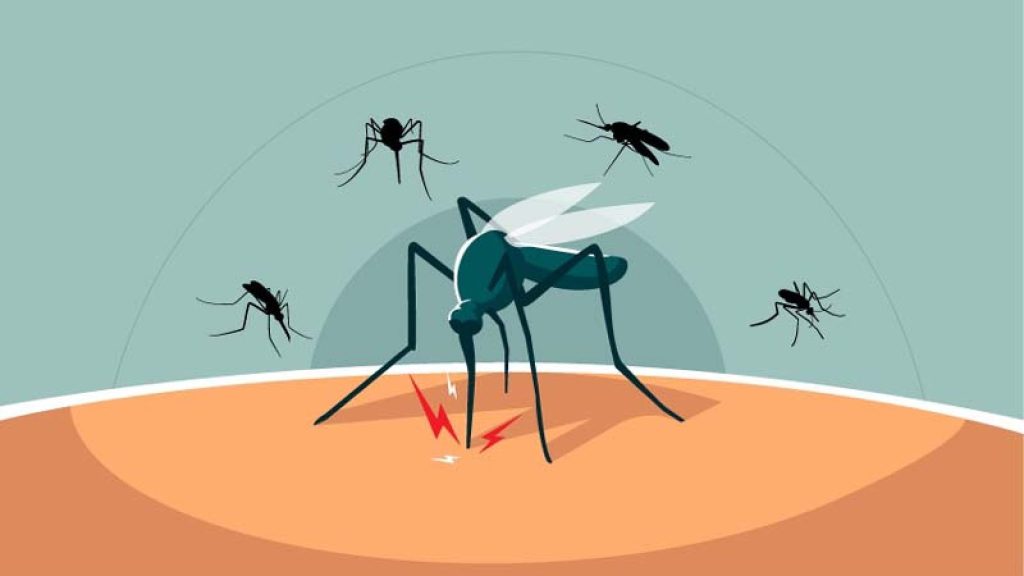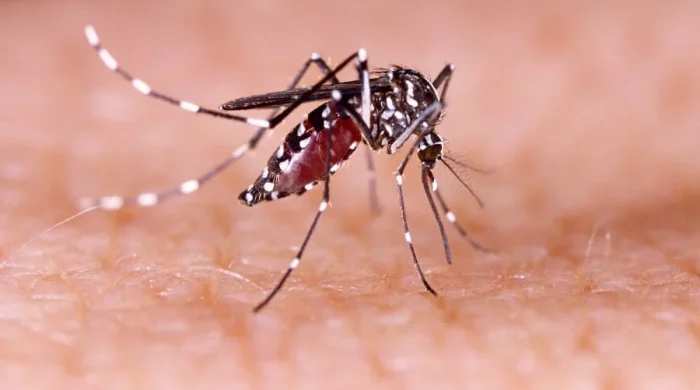

An entomological survey was conducted in five areas of Rajshahi city from August 3 to 10 at the initiative of the Rajshahi Divisional Office of the Directorate General of Health Services. In the survey, Aedes mosquito larvae were found in 24 out of 75 houses. The house index stood at 32 percent. In addition, the presence of mosquito larvae was found in 46 out of 68 water containers tested. The container index stood at 67.65 percent.
The Breto Index is a measurement method that measures the presence and density of Aedes mosquito larvae in a given area. It is usually calculated by counting the number of Aedes mosquito larvae found in 100 houses or containers tested.
According to the World Health Organization guidelines, if the Bretto Index is more than 20, there is a high risk of dengue infection in that area. And the World Health Organization has instructed to control mosquitoes. Dengue virus is spread through the bite of an infected adult female Aedes mosquito.
The survey was conducted in the areas of Kazihata, Chandipur, Uparbhadra, Namobhadra and Hazrapukur in Rajshahi city. The BROTO index in these areas was 61.33 percent. This is more than three times the risk indicator level for dengue as per the World Health Organization guidelines. The BROTO index measures the number of mosquito breeding sites in every 100 houses surveyed.
The survey collected 685 mosquito larvae from mosquito breeding sites. Of these, 505 were Aedes albopictus, 86 were Aedes aegypti, and 94 were other species of mosquitoes. Breeding sources included flower vases, plastic and ceramic tubs, clay and tin pots, raw coconuts, cement tubs, drums, submerged floors, paint buckets, and plastic buckets.
The previous survey was conducted in May. The May survey found that Aedes mosquito larvae were found in 15 out of 75 houses. The house index stood at 20 percent. Larvae were found in 23 out of 52 water containers tested. The container index stood at 44.23 percent. Its Breto index was 30.66 percent. This is already higher than the World Health Organization’s limit of 20 for high risk of dengue. The latest Breto index is 61.33, which is almost double the May figure. At the same time, both the house and container indices have increased.
District entomologist Umme Habiba said health officials have been observing an increase in mosquito larvae and adult mosquitoes in the city for years. Larvae have been found in various common household items capable of holding water.
Meanwhile, the number of dengue patients is increasing at Rajshahi Medical College Hospital. According to hospital sources, the number of patients under treatment was one on June 13. It increased to nine on July 30. This number increased further in August. There were 13 patients admitted on August 6, 23 on August 8, 26 on August 9 and 30 on August 10. One dengue patient died in the hospital on August 11. Eight new patients were admitted on August 14 and six were discharged. In addition, 9 new dengue patients were admitted on Saturday (August 15). 7 patients are admitted on Sunday (August 16). 13 more have recovered. 27 patients are currently under treatment.
Dr. Tanjilul Bari, in-charge of the dengue ward at Rajshahi Medical College Hospital, said, “The number of dengue patients usually increases at this time of year. This year too, the hospital has seen a slight increase in the number of patients. However, the situation so far is not unusual.”
A survey by the Directorate General of Health Services in 2025 found Aedes mosquito larvae in 57.33 percent of homes in five wards of Rajshahi city. The same survey found that 97 percent of dengue patients undergoing treatment at Ramech Hospital were locally infected, indicating local transmission.
Sheikh Md. Mamun Dollar, Chief Cleaning Officer of RSK, said, “It is not possible to completely eradicate dengue. However, we have continued preventive measures. Cleanliness drives are being conducted in every ward. People are also being made aware.”
Chairman Editorial Board : Md. Shajahan Mia
Chief Editor : Md. Humayoun Rashid, Editor : Ayub Ali Sarder
Publisher : Tahmina Akter Saima
Office : Motaleb Mansion (5th Floor), 2 R. K. Mission Road, Dhaka -1203 Phone : 01711681147,01710453070
Email : morningobserver@gmail.com
All rights reserved © 2025 dailymorningobserver