
However, Sirajganj is at the top of the list of infected people. The district has identified the highest number of HIV infected people, 310. Rajshahi Medical College (RMC) Hospital and Civil Surgeon’s Office confirmed this information.
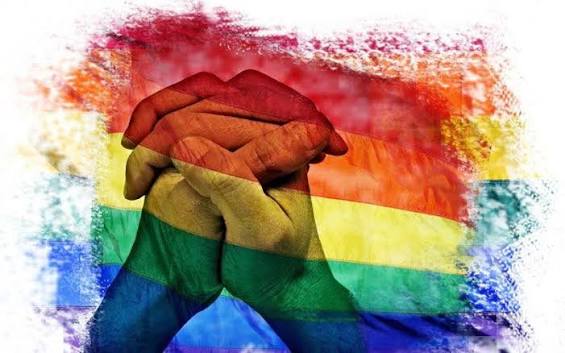
Doctors and public health experts say that risky sexual behavior, lack of awareness, social stigma, and clandestine networks are major obstacles to controlling transmission. Regular gatherings of homosexuals in different parts of the city and clandestine networks formed on social media are further complicating the situation.
According to the district-wise data of the department, the maximum number of infected people is 310 in Sirajganj, 131 in Rajshahi, 109 in Bogra, 78 in Pabna, 65 in Naogaon, 43 in Natore, 37 in Joypurhat and 21 in Chapainawabganj.
According to statistics from Ramech Hospital, 115 people tested positive for HIV from 2019 to March 2026 out of 12,852 people. Of these, 105 were men, 9 were women, and 1 was transgender. 48 were married and 67 were single. In age-based analysis, 35 people aged 15-24 and 80 were aged 25-50 were infected. The number of returnees was 4.
Concerns are growing among concerned quarters about the situation. Health officials are emphasizing the urgent need to raise awareness and strengthen regular screening and counseling services for at-risk groups.
According to the data of Rajshahi Medical College Hospital, a total of 12,852 people have been tested from 2019 to March this year. Of them, 115 were diagnosed with HIV. Among the infected, 105 were men, 9 were women and one was from the third gender community. In terms of marital status, 48 of the infected were married and 67 were single. Age-based analysis shows that 35 infected people are between the ages of 15 and 24 and 80 are between the ages of 25 and 50. In addition, the number of infected people who returned from abroad is four.
Analysis of data on at-risk populations shows that among those identified, 58 are homosexuals, 35 are people who have come into contact with sex workers, two are tuberculosis patients, one is a sex worker, two are transgender people, and 14 are from the general population.
On the other hand, the Civil Surgeon’s Office has provided information on 34 more patients identified outside the hospital’s data. All of them are homosexual. Of these, 31 are male and three are members of the third gender community. In terms of marital status, 25 are married and six are single. In terms of age, 9 are under 25 years of age and 25 are over 25 years of age.
Combining the data from the two organizations, it is seen that out of a total of 139 HIV-infected people identified in Rajshahi, 92 are homosexuals. Health professionals say that this number carries important clues to understanding the pattern of infection at the local level.
According to the Rajshahi Divisional Health Department, the number of HIV infected people in the eight districts of the division is 794. Of these, 109 are in Bogra, 21 in Chapainawabganj, 37 in Joypurhat, 65 in Naogaon, 43 in Natore, 78 in Pabna, 131 in Rajshahi and the highest number of 310 infected people are in Sirajganj district. This trend of increasing number of infected people across the division has also worried public health experts.
Investigations have revealed that homosexuals regularly gather at night in some secluded and dark areas of Rajshahi city. The names of various places on the banks of the Padma including C&B intersection (Shimla), Court Station, Dingadoba, Phultala and others are being discussed locally. Locals claim that various types of secret activities have been going on in these areas till late at night for a long time. However, there are allegations that no visible campaign or effective initiative has been seen from the administration in this regard.
Not only offline, various groups and networks have also been formed on social media. Investigations have revealed that work is underway to recruit members, communicate and expand personal networks using various digital platforms including Facebook, Messenger, Telegram. Those concerned say that this technology-based communication system is making infection detection and prevention activities more complicated.
Professor Dr. Muhammad Shafiqul Islam, Chairman of the Islamic Studies Department of Rajshahi University, told the media that homosexuality is a serious moral degradation and anti-human behavior in the eyes of Islam. It is not only against religious values, but also weakens the family system and moral structure socially. In addition, unsafe sexual behavior increases the risk of various diseases including AIDS. Therefore, a coordinated effort of religious discipline, moral education, family awareness and health awareness is needed.
SN Abdullah Al Reza, project manager of ‘Apos’, an organization working with HIV-infected people, told the media that a section of the family, society and state system still view HIV-infected people negatively. This causes them to become mentally disturbed. Being infected with HIV does not necessarily mean that they have contracted the virus sexually. A person can be infected in various ways. In this case, the government is providing free medical services, but social acceptance also needs to be increased.
Stating that the number of HIV-infected patients in the country has been increasing in the last few years, Dr. Mehedi Hasan Bhuiyan, physician and assistant registrar (medicine) of Rajshahi Medical College Hospital, said, the risk of infection is relatively high among homosexual men, especially in the case of receptive partners. This can cause sores in the anus, which increases the risk of infection. He said, HIV can be transmitted not only through sexual intercourse; taking blood without testing, using the same syringe for more than one person, sharing syringes used for drug use and from mother to child.
Meanwhile, despite the opening of the Antiretroviral Therapy (ART) Center at Ramech Hospital, many patients are still suffering from medical services. The victims complain that although the ART Center was opened in Rajshahi in December last year, the files of many patients identified before December are still at the ART Center at Shahid Zia Medical College Hospital in Bogra. As a result, they have to go to Bogra regularly for regular collection of medicines and follow-up treatment.
Dr. Ibrahim Md. Sharaf, spokesperson for the HIV Testing and Counseling Center at Ramech Hospital, told the media that the number of infected people due to sexual behavior is increasing. The detection rate is especially high among homosexuals. At the same time, the number of infected people among those who visit sex shops is also worrying. However, the detection of infected people is a positive thing. Because it brings them under treatment and reduces the risk of spreading the infection to others.
He said, the ART center was launched in Rajshahi in December last year. Currently, there is no crisis in treatment, medicine and counseling services. However, the process of transferring files of old patients is taking some time. Already, the files of some patients have been transferred. Very soon, it will be possible to provide services to the remaining patients from Rajshahi.
Chairman Editorial Board : Md. Shajahan Mia
Chief Editor : Md. Humayoun Rashid, Editor : Ayub Ali Sarder
Publisher : Tahmina Akter Saima
Office : Motaleb Mansion (5th Floor), 2 R. K. Mission Road, Dhaka -1203 Phone : 01711681147,01710453070
Email : morningobserver@gmail.com
All rights reserved © 2025 dailymorningobserver