

Food Minister Afroza Khanam today stressed the need for research on the demand and consumption patterns of non-aromatic white rice, commonly known as Atap rice, to formulate effective future food policies.
“Rice is the staple food of the people of Bangladesh. Therefore, it is essential to collect accurate data on people’s food habits, rice demand and consumption patterns to formulate future food policies,” she said.
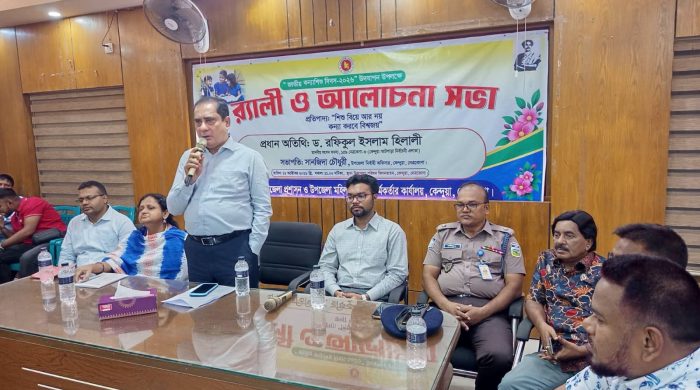
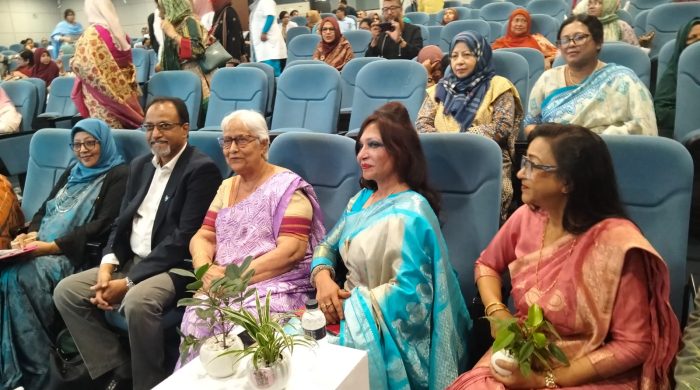
The minister made the remarks while inaugurating a workshop titled “A Study on the Consumption and Demand for Non-aromatic White Rice (Atap Chal) in Selected Areas of Bangladesh” at the training hall of the Directorate General of Food in Dhaka.
Atap rice is consumed in different parts of the country, particularly in preparing various types of traditional pitha and other local foods, she said.
“However, we need to know the consumption and demand for Atap rice across the country, not just in a few regions,” the minister said, adding that research and evidence-based discussion on the issue is a positive initiative.
She said findings from the study could play an important role in future food planning and policymaking.
“Our prime responsibility to reach out adequate, safe and quality food to the people as the use of the particular non-aromatic rice variety is being widely used in various region in the country for long to preparing various types of cakes and tradition cuisines,” she told the workshop.
The minister also said the Food Ministry’s responsibility is not limited to ensuring food stocks; it must also consider people’s needs, preferences and nutritional requirements.
Citing international food and nutrition research, she said excessive polishing of rice reduces vitamin and minerals particularly thiamin, niacin and some vitamin-B.
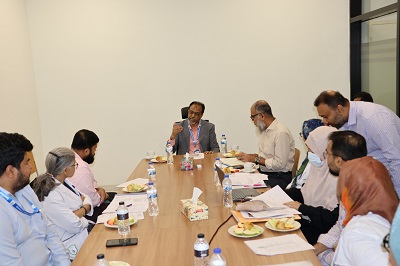
Dirctor General of the Department of Food, additional food controller of Khulna and Sylhet, teachers from different universities, directors from Bangladesh Rice Research Institute (BRRI) and other senior officials concerned attended the workshop.
Chairman Editorial Board : Md. Shajahan Mia
Chief Editor : Md. Humayoun Rashid, Editor : Ayub Ali Sarder
Publisher : Tahmina Akter Saima
Office : Motaleb Mansion (5th Floor), 2 R. K. Mission Road, Dhaka -1203 Phone : 01711681147,01710453070
Email : morningobserver@gmail.com
All rights reserved © 2025 dailymorningobserver